
Specialist communication support for manufacturing, production and transportation teams

Frontline, deskless and operational teams keep organisations moving. They make products, move goods, care for customers, keep sites safe, manage services and solve problems every day. But too often, workplace communication is still designed around desk-based access: laptops, email, intranets, scheduled meetings, office hours and regular screen time.

For teams working shifts, driving vehicles, operating machinery, serving customers or moving through busy sites, that model does not always fit.

That is where frontline communication needs a different way of thinking.

Communication for teams working across sites, shifts and roles

Creative, human-first communication can help frontline, deskless, distributed and operational workforces receive messages in ways that fit the realities of their working day.

Our experience spans complex workforce environments including logistics, transport, supply chain, manufacturing, production, construction, infrastructure and field-based teams. For over 25 years we have partnered with DHL, one of the world’s largest businesses, alongside work for organisations with large, global and traditionally harder-to-reach workforces.

We’re platform-agnostic and can support you no matter which app, intranet, platform or channels you use.

Talk to us about engaging frontline teams
CASE STUDY

Turning safety from compliance into shared responsibility

An award-winning global campaign that helped frontline teams connect safety to everyday behaviour.

Explore more

Why frontline communication matters

The IC Index 2026 paints a difficult picture. One in five frontline workers hear about major changes through the grapevine rather than from leaders. Frontline workers are over twice as likely to say they spend no time reading communication updates. Trust in executive leadership among frontline workers sits at 35%, compared with 54% among desk-based colleagues.

Frontline communication is rarely a simple channel issue. It is a trust, access and relevance issue.

For large organisations, this has a real business impact. When frontline employees do not get the right information in the right way, it can affect safety, engagement, retention, operational performance, customer experience and the success of major change.

Frontline teams are not difficult to engage by nature. They are often being asked to engage with communication systems that were not built for the reality of their work.

Discuss your frontline communication challenges
CASE STUDY

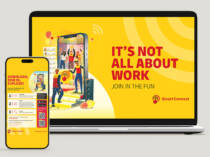
Driving adoption of a new employee app

A launch campaign that made a new employee app feel useful, relevant and worth downloading, driving 67,000 downloads in the first month.
Explore more

Ready to make frontline communication work harder?

If you need to reach, engage or support frontline, deskless, operational or distributed teams, we can help you create communication that fits the reality of the working day.
Talk to us about engaging your frontline workforce
CASE STUDY

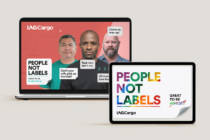
Helping inclusion feel like an everyday conversation

A global campaign that helped employees talk more openly about inclusion, increasing belonging by 12% and feeling valued by 13%.

Explore more

More thinking on frontline communications

Transforming frontline safety culture

Read more

7 ways to reach frontline teams

Read more

Case study: Frontline employee app launch

View case study

Frontline communication FAQs

Frontline communication often struggles when it is planned around office-based habits rather than operational reality. Emails, intranet updates and long-form messages may work for desk-based teams, but they often miss employees working across shifts, sites, vehicles, warehouses, depots, plants or customer locations. If communication is not reaching frontline teams, the issue is not the audience. It may be the timing, channel mix, message length, manager support or relevance to the working day.

Reaching frontline employees is not about sending more communications. It is about making communication easier to see, understand and act on. That means using the moments and channels that already exist in the working day, such as team briefings, shift handovers, safety huddles, workplace displays, manager conversations, digital screens, mobile content, printed prompts and more. The strongest approach starts with what employees need to know, feel or do, then builds the channel mix around that.

Employee apps and intranets can be valuable, especially for large, dispersed or deskless workforces. But they do not solve frontline communication on their own. A platform can improve access, but it cannot fix unclear messaging, low trust, poor manager communication or content that does not feel relevant. The best frontline communication works with the tools available, but starts with how people actually work.

Change communication for frontline teams needs to start with practical impact. Employees need to understand what is changing, why it matters, what it means for their role or shift and what they need to do differently. Managers and supervisors also need the right support. Clear talking points, briefing materials, FAQs and conversation guides help them explain change consistently and respond to questions with confidence.

Safety communication works best when it makes expected behaviours clear, practical and easy to repeat. It needs to move beyond reminders and compliance messages, helping employees see how everyday actions protect themselves, their colleagues and the wider business. For frontline teams, safety communication is most effective when it is visible, consistent, respectful and reinforced through managers, local teams and regular working routines.

Managers and supervisors are often the people who make frontline communication land. They translate wider business messages into practical conversations and help employees understand what information means for their day-to-day work. That means they need more than a script. They need context, simple messages, time to prepare and tools that help them lead honest, useful conversations with their teams.

Communication in manufacturing, production and transportation environments needs to respect the pace, pressure and complexity of the work. Teams may be spread across sites, shifts, routes, plants, warehouses, depots or customer-facing roles. This means communication needs to be practical, visual where useful, easy to localise and sensitive to different working environments. Simple language matters, but it should never feel patronising.

Frontline communication should be measured by more than whether a message was sent or seen. Useful measures include understanding, manager confidence, employee feedback, participation, app or channel engagement, safety behaviour, retention, questions raised and whether people know what to do next. The right measures depend on the communication challenge, whether that is safety, change, culture, onboarding, strategy or employee engagement.

We have spent more than 25 years working with DHL, one of the world’s largest businesses, supporting communication across global, frontline and operational workforces. That experience has shaped how we approach complex environments where employees work across sites, shifts, vehicles, warehouses, depots, service centres and customer-facing roles. We also bring experience across transport, supply chain, manufacturing, construction, infrastructure and field-based teams. Our role is to make communication work in the real conditions employees are working in, whether the challenge is safety, strategy, change, onboarding, inclusion, culture or employee engagement.

Explore Strategic People & Culture Communication in action

See how we create communication that builds trust, shifts behaviour and supports business performance across complex organisations.

See our work

Visit us

Something Big Ltd
The Atrium
8 Tannery Studios
Tannery Lane
Send, Woking
Surrey GU23 7EF

Powered by Green Hosting

Join the Work Wonders community

Thought-provoking conversations, practical resources, and a network of like-minded people who are all working towards one thing: better work for everyone.

Ready to Work Wonders?

Find out more

1.5g of CO2/view Website Carbon Cleaner than 15% of pages tested

Registered in England Number: 03517940 VAT Registration Number: 709 2952 19 Privacy Policy | Cookie Policy © Copyright Something Big 2023

Privacy Preference Center