
By Sally Pritchett
CEO
Explore how internal communication and culture can help organisations prevent sexual harassment and create safer workplaces.
From 30 October 2026, UK employers will need to take all reasonable steps to prevent sexual harassment at work, including harassment by third parties such as customers, clients, patients and contractors.
The change puts more pressure on employers to show they are preventing harm before it happens, which means looking beyond policy and training to the workplace culture employees experience. How clear are expectations around behaviour? Do people know how to speak up if something happens? Do managers know how to respond? Are concerns picked up before they escalate?
That makes culture and communication a practical part of prevention, helping organisations set clear expectations and create a culture where harmful behaviour is more likely to be recognised and challenged early.
This topic was the focus of a recent Work Wonders conversation, where our CEO Sally Pritchett was joined by Diversity, Equity and Inclusion Consultant Victoria Dale and Nicola Brown, Partner and Head of Employment at Mayo Wynne Baxter.
The discussion explored how organisations can reduce risk and how communication, culture and listening can help create workplaces where harmful behaviour is less likely to be ignored, excused or repeated.
Six themes stood out.
1. Understand where the risk actually sits
Sexual harassment risk will look different across roles and working environments. Power dynamics, lone working, night shifts and contact with customers or other third parties can all increase risk, so organisations need to understand where those pressures exist in their own workforce.
A useful risk assessment should draw on people who understand what is happening day to day and should not sit with HR alone. Existing insight can help too, from employee feedback and exit interviews to listening groups and conversations with managers.
The clearer the picture of where risk sits, the easier it is to focus prevention activity where it is most needed.
2. Don’t mistake a lack of complaints for a lack of risk
It can be easy to look at low complaint numbers and assume there is not much of a problem within your organisation. Yet TUC research found that 58% of women surveyed had experienced sexual harassment, bullying or verbal abuse at work, while fewer than one in three women who had experienced sexual harassment told their employer.
Employees may stay quiet because they fear they will not be believed, worry about the impact on working relationships or feel that speaking up could affect their career. The same pattern appears more broadly, with Culture Shift research published in 2026 finding that almost 60% of people who had experienced bullying or harassment at work in the previous year did not report it.
That means formal complaints only tell part of the story. Employers also need to understand whether people know how to raise concerns, trust the process and feel safe enough to speak up.
3. Make expectations around behaviour unmistakable
Making expectations clear means helping people understand what sexual harassment can look like in everyday situations. Different backgrounds, generations, cultures and experiences can shape how behaviour is interpreted, and something one person sees as harmless ‘banter’ may feel very different to someone else.
Communication can help make those boundaries clearer through practical examples and relatable scenarios, rather than relying on policy wording alone. It is also important to be clear about intent and impact. Someone may not mean to cause harm, but that does not remove the effect their behaviour has on someone else.
The aim is to give employees a shared understanding of what respectful behaviour looks like, when something crosses a line and what to do if it happens.
4. Make it genuinely safe and simple to speak up
Having a clear reporting and disclosure process for harassment is one thing. People feeling safe enough to use it is another. Culture Shift found that only three in five UK employees surveyed felt safe using formal channels to report bad behaviour at work, while 41% were worried they could still be identified when reporting anonymously.
Employees need to know where to report harassment, what their options are and what support is available. That information also needs to stay visible, rather than being something people only hear about during induction.
How concerns are handled matters just as much. Dismissing an experience as ‘banter’ or making someone feel they are overreacting can quickly undermine trust and make others less likely to speak up.
A safe reporting culture depends on accessible routes and confidence that concerns will be taken seriously.
5. Support managers to spot concerns and respond well
Managers are often the first person an employee turns to with a concern, or the person best placed to notice when something seems off, for example if an employee becomes more withdrawn. With so much already sitting with middle managers, it is important that they have the support to handle those moments well.
Responding well means listening properly, avoiding language that minimises what someone is telling them and knowing what needs to happen next. A response like ‘I’m sure they didn’t mean anything by it’ may be intended to reassure, but can easily make someone feel their experience is being dismissed.
Training can help managers understand how to respond and where to get support themselves, particularly where relationships or power dynamics make a situation more difficult. Communication can reinforce that support by giving managers consistent messages, useful conversation prompts and clear guidance they can return to when they need it.
That makes it more likely that concerns are taken seriously and handled consistently from the start.
Leadership communication that builds trust
Help leaders build the confidence and communication skills to handle important conversations well and strengthen trust across their teams with our Leadership communication that builds trust workshop.
6. Make prevention part of everyday culture
One of the strongest points from the Work Wonders conversation was that policy and training need to be reinforced through everyday culture.
Health and safety offers a useful parallel. In many organisations, health and safety is reinforced through regular reminders, conversations and near-miss reporting, so people know what to look out for and understand their role in preventing harm.
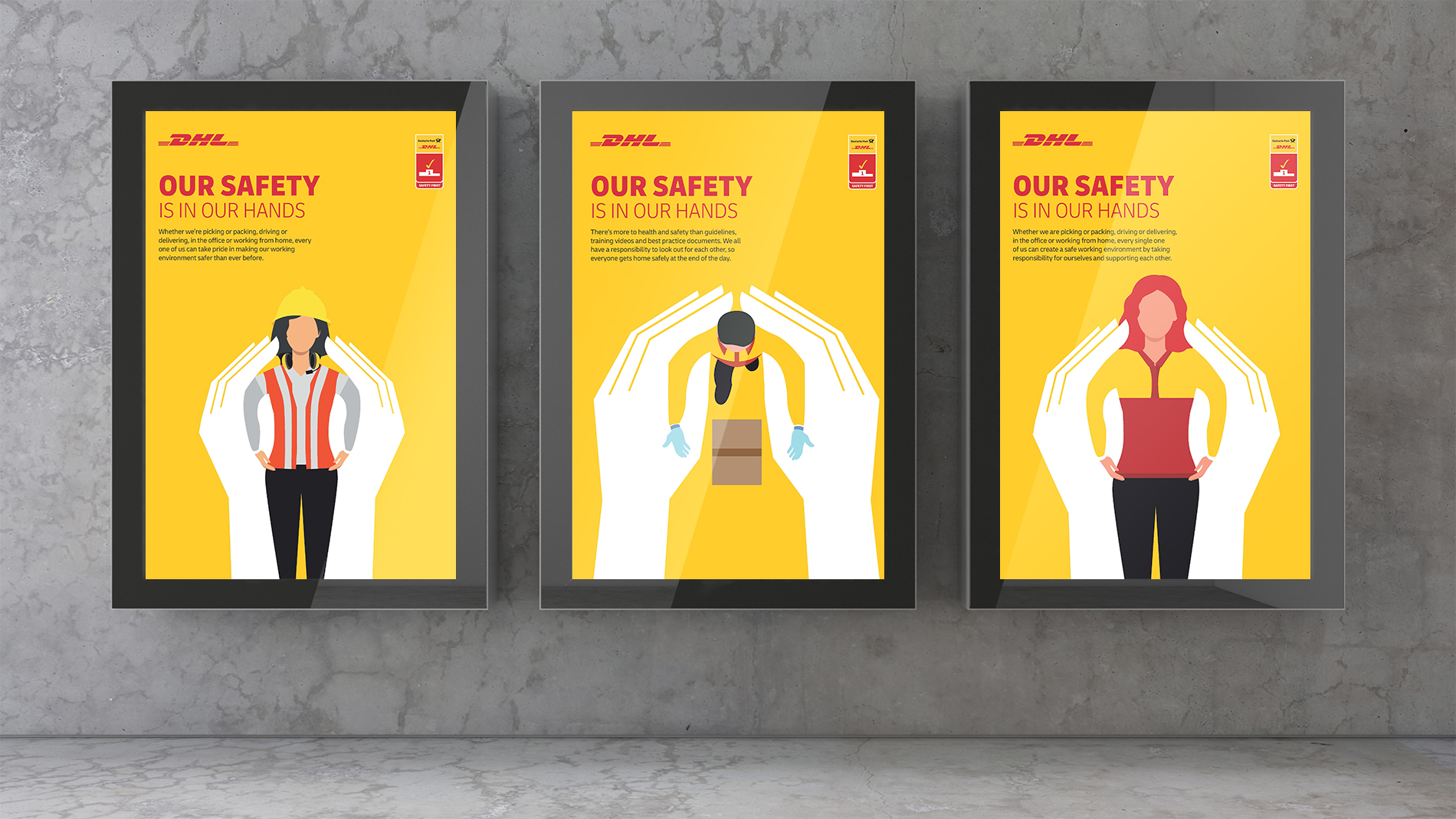
Sexual harassment prevention could take a similar approach: making expectations around behaviour clear and visible, helping people understand what respectful behaviour looks like, giving bystanders confidence to step in or check on a colleague and encouraging concerns to be raised early.
Communication can support this, but it also has to be backed up by what people see happening in practice. If inappropriate behaviour is ignored or concerns are brushed aside, that experience will carry more weight than anything written in a policy or training manual.
What a strong sexual harassment prevention approach looks like
A strong response to the October changes will look at the whole picture, from where risk sits and how expectations are communicated to how safe people feel speaking up and how well managers are supported. Culture and communication help make prevention visible and consistent day to day.
If you are looking at how culture and communication can support sexual harassment prevention in your organisation, we can help. Through awareness campaigns, manager communication, employee listening and wider culture programmes, we help organisations make prevention practical and relevant. Get in touch to talk about how we could support your organisation.
For more topical and practical conversations like this, join Work Wonders.