

5 trends that we expect will shape workplace culture in 2024
By Sally Pritchett
CEO
Curious about the evolving workplace culture in 2024? Explore these five key employee priorities.
Workplace culture has a profound impact on employee engagement, productivity, and morale, so organisations must keep up with what is important to employees to help nurture a positive environment. With 45% of UK employees saying a great culture is the most important factor when looking for a new job, what should employers be looking out for in 2024?
1. Flexibility will continue to be key
The pandemic changed the way many of us work, driving a surge in the number of employees working from home. In 2023, some companies continued with fully remote working, whereas others have started to implement return-to-office policies and hybrid work options. But what could happen in 2024?
We expect to see more of a shift towards employees wanting flexibility, rather than just the opportunity to work from home. With 71% of workers saying a flexible working pattern is important to them when considering a new role, this suggests employees are looking for flexibility around arrangements such as start and finish times or where they work from too, to help them achieve a better work-life balance.
2. Prioritising employee mental health and wellbeing
We believe nurturing a healthy culture that supports employee mental health and wellbeing is one of the biggest areas of importance for 2024. In 2020-2021 alone, .
Although the effect of not prioritising employee wellbeing on productivity is clear, nurturing a healthy workplace culture is about much more than just the financial impact. In a workplace where wellbeing is prioritised, there is likely to be higher employee morale, reduced turnover, and increased job satisfaction.
3. The demand for sustainability
With Gen Z joining the workforce, they are beginning to influence workplace culture. By 2025, Gen Z will account for 27% of the workforce, so employers will need to start listening to what’s important to them if they wish to attract and retain the next generation of talent.
With 50% of Gen Zs saying they are pushing their employer to drive change on environmental issues, it’s clear that sustainability is an important matter that employers need to prioritise as part of their workplace culture initiatives. However, as well as businesses looking at organisational sustainability initiatives, part of building an environmentally conscious workplace culture involves supporting and empowering employees to make better choices in their lives outside of work.
4. Employees want to feel a sense of belonging
This year, diversity, equity and inclusion have become increasingly important in the workplace. In 2024, the focus on DEIB is set to continue. 65% of employees admit they want to feel a strong sense of belonging at work, suggesting employers need to start going further than just having a DEIB policy.
Many employees now want to feel like part of a community at work, form stronger connections with colleagues, and feel like they can be their true selves at work. To help nurture this type of culture, employers need to ensure their DEIB initiatives are accessible, thorough, and most importantly, authentic.
5. The importance of internal communications
Internal communications help keep employees informed, engaged and connected to a business. However, effective internal communications are about more than just sending out a monthly email newsletter to employees. There are many channels that employers can, and should, use to keep employees engaged with the business. This is particularly important for reaching frontline workers, where email isn’t necessarily the best way to communicate with the workforce.
As we approach 2024, nurturing a healthy, safe and thriving workplace culture has never been more important. If you’re looking for some support in developing internal communications strategies or initiatives that engage your workforce, we’re here to help.


Navigating AI Together: Making AI an ally to inclusive communications
By Sally Pritchett
CEO
How can we tackle AI bias for more inclusive and authentic representation?
At our recent ‘Navigating AI Together’ roundtable, we delved into the critical issue of biases within AI and how we can look to overcome the in-built bias and use AI as a tool to foster inclusion and authentic representation.
We were delighted to welcome Ali Fisher, a seasoned expert in fostering sustainable, diverse, equitable, and purpose-driven business practices. With a background including leadership at Unilever and the Dove Self-Esteem Project, Ali brought a wealth of knowledge and experience in the realm of DE&I. Her invaluable insights provided fresh perspectives on navigating AI’s impact on communications.
Unravelling bias in AI
Generative AI offers amazing opportunities for communicators, but its power comes with a challenge: inherent biases. Generative AI has been trained on human-created content, and so has inherited deep-seated bias built in. This bias can, and often does, unintentionally permeate AI-generated content, reinforcing stereotypes and misconceptions.
It’s been well documented and discussed over the last year that generative AI takes bias and stereotyping from bad to worse – with Bloomberg publishing headlines like ‘Humans are biased, generative AI is even worse’. This bias is of course very worrying when we’re also seeing reports that 73% of users globally already say they trust content created by generative AI.
But let’s go back a step. While generative AI may be biased due to the training data that feeds it, what about the conditions under which the AI tools themselves are developed?
The lack of diversity within the tech industry adds complexity. The gender disparity is evident, with only 22% of the UK tech sector and 21% of US computer science degree earners being women. One study showed that code written by women was approved the first time round more often than men’s, but only if the gender of the coder was hidden. If the gender was revealed, the data showed that women coders received 35% more rejections of their code than men.
Race and ethnicity disparities in tech are also concerning. Looking at the US and a report from the McKinsey Institute of Black Economic Mobility, Black people make up 12% of the US workforce but only 8% of employees in tech jobs. That percentage is even smaller further up the corporate ladder, with just 3% of tech executives in the C-suite being Black. It’s believed that the gap will likely widen over the next decade.
Nurturing AI as responsible guides
During our ‘Navigating AI together’ roundtable, an analogy was shared: AI is like a toddler trying to cross a busy road. Like how we wouldn’t allow a toddler to wander into traffic alone, we must hold the hand of AI and safely guide it.
We need to understand the EDI landscape thoroughly first, becoming adept guides before we can expect AI to generate outputs that are genuinely inclusive and authentically representative. As humans, we need to be responsible AI users, always giving a guiding hand. The first step to making AI an ally to inclusive communications is self-reflection.
Navigating our human bias
We’re human, and we’re fallible, and it is important to remember that in the context of EDI.
In one study, researchers observed 9-month-old babies, evenly divided between Black and white infants. They were all equally exposed to both Black and white adults, all unknown to them. The white babies consistently gravitated toward the white adults, while the Black infants showed a preference for the Black adults. This inclination toward familiarity emerged as early as nine months, suggesting an inherent comfort with those we perceive as similar.
As humans, we tend to categorise. We employ schemas and, yes, stereotypes as well. It’s a coping mechanism and our brain’s attempt to simplify the barrage of information we encounter daily. Yet, this simplification comes with a call for heightened awareness. We need to consciously slow down, be vigilant and actively recognize these tendencies within ourselves.
Increasing awareness of our unconscious biases
Unconscious bias refers to the automatic attitudes and stereotypes that influence our judgments and actions without our conscious awareness. Shaped by our experiences and societal influences, these biases impact how we view others.
If you’re considering using AI within your communications, then you must understand what your own unconscious biases are. The Harvard IATs – Implicit Association Tests – are a useful tool to help you begin to do this. Set up by a collaboration of US researchers in 1998 Project Implicit aims to collect data on our biases as we learn about ourselves. We’d recommended picking one identity characteristic you think you don’t carry bias on and one you think you do – and see how it plays out.
Exploring bias in generative AI
Moving on from understanding why generative AI contains bias and recognising how our biases influence our perceptions, let’s shift our focus to examining the actual AI outputs. You likely have already encountered biased outputs from AI, but in our session, we made several comparisons between the results of Google’s image search results algorithm and the outputs from generative AI tools ChatGPT and Midjourney.
Let’s start with a familiar scenario: the image of a courier. When you think of a courier – the person who delivers your Amazon packages – what’s the immediate mental picture that springs to mind?
A quick Google image search result shows a courier as a man carrying a box, often with a van. This representation is the outcome of the content humans have uploaded – it’s not a product of machine learning.
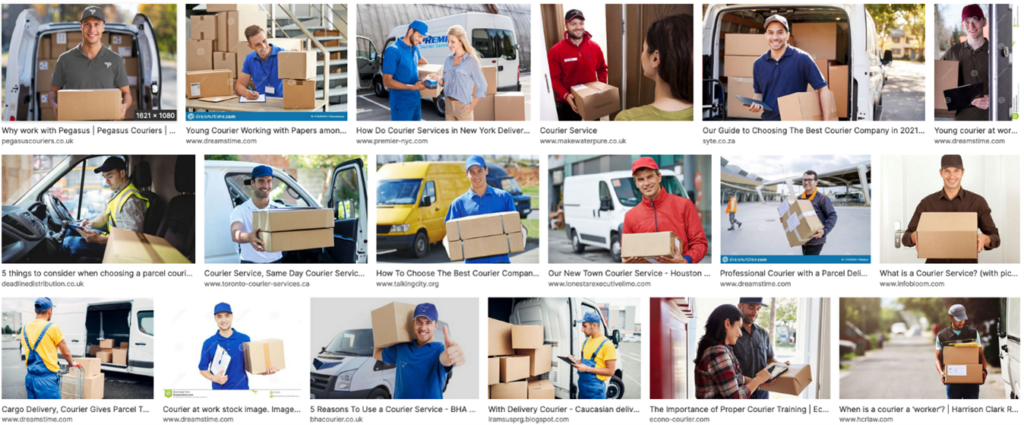
Now, let’s compare it to what AI, drawing from its training data, perceives as a courier’s life.
When we prompted ChatGPT to describe a day in the life of a courier, it conjured a narrative around a character named Jake.
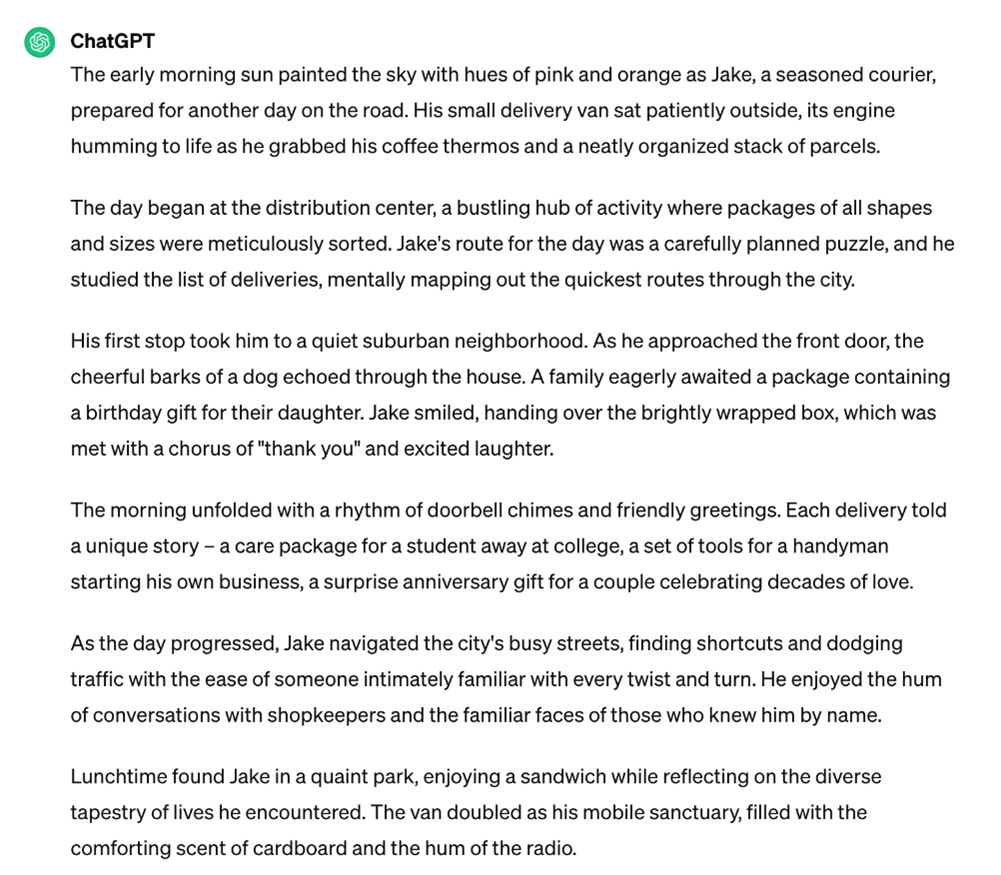
Similarly, looking at Midjourney’s output, we have images suggesting men with boxes and motorbikes as representations of couriers.

Over the course of the roundtable, we shared and discussed many examples showing the bias of AI. To get a better understanding of this, we recommended watching Amy Web’s presentation at the Nordic Business Forum. Amy revealed how AI mirrors human biases. From CEOs to tampons, AI struggled.
It’s safe to say that AI does not challenge the perception of who a person could be. It often reflects society’s most ingrained stereotypes at us and fails to accurately reflect a range of EDI characteristics that humans have.
AI and authentic representation
There are only four EDI identity characteristics that we see or perceive easily – tone of voice, mannerisms, attire, and skin colour. Everything else requires more information from the individual. We can’t accurately assume someone’s age, gender, sexual orientation, race or ethnicity. We can’t assume whether someone has a disability or not.
So how does AI fare when it comes to navigating these visible and invisible EDI characteristics?
If you ask Midjourney to show you construction workers, you’ll likely get something like this, with a clear lack of visible diversity among the four images.

We then asked Midjourney to depict construction workers with a disability. The generated images were all very similar, with three of the four depicting the construction worker as a wheelchair user.
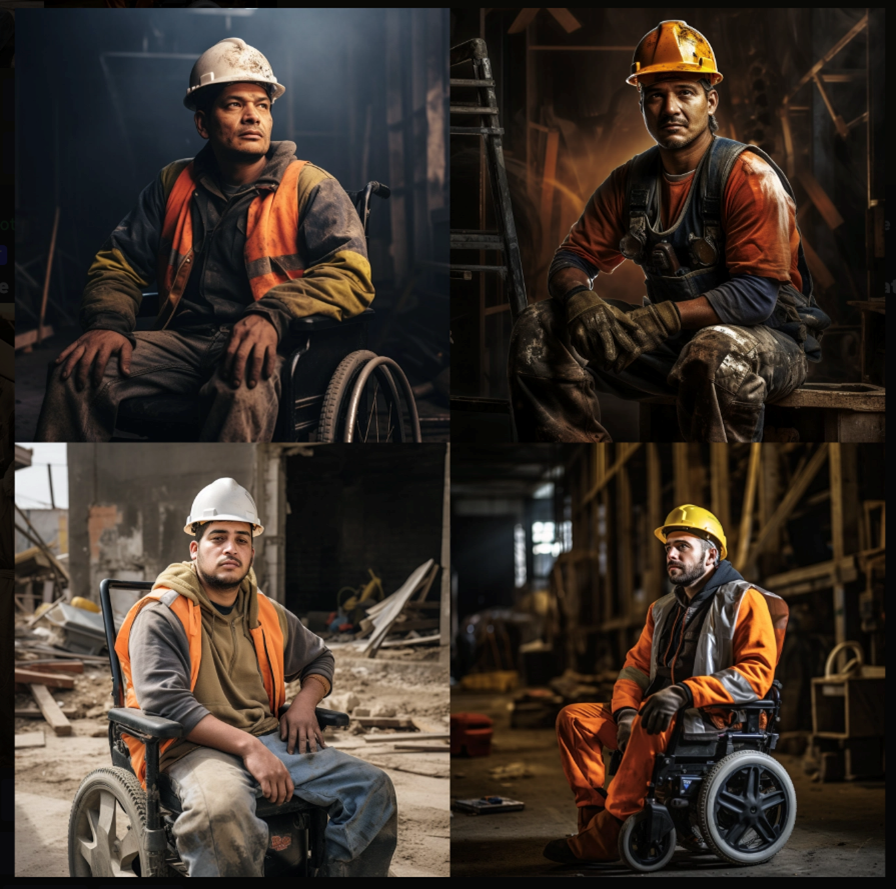
We then asked Midjourney to depict LGBTQIA+ construction workers. This output really shows the propensity of AI to stereotype.

When it comes to minority groups, AI seems to at best lean on lazy stereotypes, and at worst create an offensive parody of reality. These results show how important it is for us to be hyper-aware of EDI within our communications when using AI, and to hold the hand of that toddler crossing the road tightly!
How to make AI an ally to inclusive communications
As the human communicators guiding the hand of AI, reducing our personal bias has to be the first step:
- Engage in the Harvard IATs to heighten awareness of your unconscious biases
- Be prepared to get it wrong and learn from your mistakes
- Evaluate the diversity in your social and professional circle
- Challenge yourself to culture-add, not culture-fit
- Practice active listening, valuing others’ perspectives over your own voice
With that foundation in place, our top tips for reducing AI bias are:
- Craft prompts carefully to guide unbiased outcomes
- Offer contextual details for to help AI better understand your expectations and requirements
- Fact check for genuine and authentic representation in all AI-generated content
- Offer corrective feedback to steer AI responses towards inclusivity
- Develop ethical guidelines for all AI users and undertake through training
Reach out to us or Ali for a deeper conversation on how you can cultivate a culture that embraces and understands the value of DEIB within your organisation.
To join our upcoming ‘Navigating AI Together’ session in 2024, please send an email over to hello@somethingbig.co.uk to stay in the loop.

Five AI trends we expect to see in 2024
By Sally Pritchett
CEO
Looking ahead to 2024, what AI trends can we anticipate?
This year, we have witnessed the rapid growth of AI. New platforms, applications, and software have emerged for almost every industry, including creative communications. However, in the ever-evolving landscape of AI, what trends can we expect to see in 2024?
Increased legislation
Nations across the globe are forming comprehensive AI policies in order to set regulations, drive innovative growth, and help ensure everyone can benefit from AI. As AI continues to advance, expect to see further guidelines and regulations introduced, including laws to prevent harmful content such as deepfakes. The speed at which AI evolves is set to continue in 2024, so we expect legislation will continually evolve to keep up with this new technology.
The importance of ethical AI
As AI becomes more widely adopted in 2024, we will see a continued focus on it being developed and used in a responsible way. There are already concerns about AI biases, plagiarism, accuracy, and a lack of transparency. However, despite these concerns, 73% of users trust content created by generative AI. This worrying statistic highlights how important it is that AI is used ethically. As we head into 2024, experts expect to see an increased interest in AI ethics education.
In the communications industry, honesty, accuracy and inclusivity are vital, so it’s important that we use AI in a responsible way. We believe it’s time for the communications industry to take the lead and set its own guidelines for ethical AI usage.
AI-enhanced creativity
AI is rapidly becoming a collaborative partner to people in many different job roles across a vast range of industries, including creative communications. Platforms such as Midjourney and Adobe Firefly have brought AI capabilities to the creative industry with tools such as generative fill. Whilst there is no replacement for human creativity, these tools can help creatives work more efficiently. As we move through 2024, expect to see these tools more widely adopted and new capabilities introduced.
The next generation of generative AI
Generative AI has advanced rapidly this past year, and the pace is set to continue. In 2024, generative AI is expected to advance further, from language model-based chatbots such as ChatGPT to video creation tools. Experts predict that AI applications and tools will become more powerful and user-friendly, new applications and capabilities will appear, and the difference between human and AI-generated content will become trickier to determine. Furthermore, we will start to see AI integrated into commonly used applications, such as the introduction of Microsoft 365 Copilot across the Microsoft 365 product suite.
AI as an intelligent assistant
As AI continues to be integrated into more commonly used applications and software, it is expected that it will start to become an intelligent assistant to us in our everyday work. From summarising lengthy PDF documents to grammar checking, and highlighting social media trends to researching hot topics, AI can help us work more efficiently. However, while AI offers opportunities to streamline processes and increase efficiency, we must still ensure responsible and ethical use.
Navigating AI together: overcoming bias and achieving inclusion
With the AI revolution upon us, we’ve been facilitating regular roundtable discussions to support communicators in navigating this change together.
In our next session we will examine the issue of the biases embedded in AI and explore how we can mitigate this bias and harness AI tools to foster greater inclusion and authentic representation.
Let’s continue Navigating AI Together, ensuring responsible, ethical, and inclusive AI usage in our communication practices.

Sustainable production: tips for greener communications in 2024
By Sally Pritchett
CEO
Get insights and actionable tips on sustainable production for greener communications in 2024.
Reading anything about climate change can make us feel helpless and overwhelmed by the size of the challenges, but as a B Corp we believe in continuous progress and action over words. We’re delighted to share some of our learnings and tips to help others make everyday swaps and changes in the right direction.
Sustainable production purchasing
Here are three easy ways you can pledge to make your communications production more sustainable:
Choosing sustainable paper
To reach your audience and communicate in a way that is best for them, sometimes you need to print. If you make the right printing choices, the often-held belief that digital communications are greener than print isn’t always true. Where possible insist on FSC or PEFC-accredited paper sources, this means that production has supported responsible forest management, prevents illegal logging and protects wildlife and local communities.
Go local, where you can
When possible, try to reduce the air miles of your communications by insisting on local production. This may increase prices on some lower-quality products, but it can also come with the benefits of faster turnaround times, avoiding long shipping times.
Switch to B Corp or accredited sustainable suppliers
Whether it’s B Corp, Planet Mark, or ISO 14001, there are many verified accreditations that organisations can go through to prove their commitment to sustainability. Try to fill your supply chain with organisations who are committed to making a difference and taking sustainability seriously.
Responsible production and consumption
Here are three straightforward strategies to minimize your communications consumption while prioritising sustainable production practices.
Look after your stock
It’s common for boxes of promotional giveaways to be sent off to events and never return, leading to avoidable waste. Plan ahead and establish a process to facilitate easy returns. This ensures that unused items come back into stock safely, ready to be reused for future events. If you’re managing a store of items, make a point of knowing what goes in and out so that you can protect stock and only re-order when needed. It’s useful to share the value of items with your stakeholders so they can better understand the budget impact of wastage.
Make your giveaways practical and useful
Make sure that promotional items are as useful, practical, and long-lasting as possible to prevent further wastage. Hopefully long gone are the days of frivolous gimmicky single-use giveaways. A simple way to check is to ask yourself ‘Would I use this?’ or ‘How long would I keep this?’.
Think differently about how you give things away
We’re all used to event goody bags and placing giveaways on chairs or at every table setting, but this can contribute to unnecessary waste. Attendees often leave items behind, which may end up in the bin or linger at the bottom of bags, eventually being discarded at home. Let’s commit to a different approach by offering attendees the option to choose whether they want to take the giveaway.
Try having a ‘goodbye’ table where people can choose what they’d like to take. This reduces the waste and makes attendees value the items they pick up more. You could also try gamifying giveaways, making attendees work to earn the ‘merch’ and in doing so increasing their connection with it.
If you automatically send items out to data lists, commit to reviewing your data more often to make sure you’re not sending items to out-of-date contacts.
Promotional merchandise can play a great role in building loyalty and has longevity in comparison to many other techniques, so it can’t always be something to avoid altogether but if you’re still producing single-use, plastic pens then it’s time to rethink your approach to branded merchandise.
Sustainable production swaps
Here are three sustainable replacement items you might be able to introduce into your 2024 communications plans to reduce less sustainable alternatives:
Notepads made with apple peel covers
Crafted from apple peel, vegetable fibers, and sustainable pulp, these Appeel notebooks feature FSC-certified ivory-tinted apple paper, providing a personalised touch.
Notepads made from stone
Opt for stone paper notepads for a 100% tree-free and water-resistant alternative, saving water in the production process.
Compostable pencils with seeds
Personalised pencils made from sustainably harvested wood offer a lead-free, graphite core. After use, these pencils can be planted to grow into various plants, adding a touch of sustainability to your giveaways.
We know how tricky it can be to align promo and print with your commitment to sustainability. Let us guide you to making more environmentally responsible choices.

Attract and retain top talent: the power of purpose and culture
By Sally Pritchett
CEO
When culture, honest communication, and purpose are essential, how can communicators attract and retain top talent?
Ever find yourself lost in the hustle, wondering where all your time goes? The busier life gets, the more crucial it becomes to reflect on how we spend our time. After all, time is precious, and optimising it is an art.
In a video earlier this year, our Commercial Director reflected on the time they had devoted to a battle they know all too well – the Talent War. To be exact, 650+ hours in 2022 alone, navigating the competitive landscape of recruitment, CVs, interviews, and the rollercoaster of onboarding and, unfortunately, occasional offboarding.
While some say the Talent War is over due to economic instability, the truth is that many employees are still seeking purpose in their work. Moreover, the growing differences in generational expectations regarding the workplace is creating challenges in attracting, and retaining, top talent. These shifts show that finding and keeping top talent goes beyond just economic factors.
When workplace culture, honest communications, and company purpose are vital to today’s employees, what can communicators do to attract and retain top talent?
Engage with hearts and minds
Attracting talent boils down to one thing: opening and engaging with the hearts and minds of potential candidates. Let’s take a trip back to 2001 when Apple revolutionised the music industry with the iPod. What set it apart wasn’t specs and features but the simplicity and clarity of its message – “1,000 songs in your pocket.” In today’s competitive job market, what’s your unique selling proposition? Flexible working, competitive salaries, and employee benefits while all essential to many job seekers, don’t define a company in the long run.
The power of purpose
The key to success? Define what sets your company apart, and that comes down to your company’s purpose. Employee motivations are evolving, and companies addressing this shift are few and far between. People crave purpose in their work. Statistics show 75% of the workforce will be ethically-minded millennials by 2025. Placing purpose front and centre, and integrating it into job descriptions and candidate discussions can help you connect with the right candidates and sidestep those where synergy is lacking.
Building a magnetic culture
It costs to attract, engage, and grow your people. The solution? Building a magnetic culture. A business with a magnetic culture draws people in, creates unity, and retains the best talent. And a thriving culture boosts productivity, improves customer service, and reduces turnover costs. In retention, go beyond the basics.
Be like Apple – stand apart. Focus on creating a thriving culture, driven by your purpose, to make your business different.
Whether you’re refreshing your recruitment communications or nurturing a united workplace culture, we can provide the support you need.

Navigating AI Together: Accessibility, transparency and voice cloning
By Sally Pritchett
CEO
We're uniting communicators to navigate the ever-evolving AI landscape. Here, we share insights from our most recent 'Navigating AI Together' roundtable.
AI can be a scary topic. For many the opportunity for a big productivity boost is sitting alongside fears around role replacement and the devaluing of skills. When we heard these concerns from fellow communicators, we knew we needed to help. Our ‘Navigating AI Together’ forum is supporting communicators to manage the transition to AI together, safely, ethically, and with positive and open mindsets.
In our most recent session of Navigating AI Together, we delved into the current state of AI, strategies for enhancing communication accessibility and inclusivity, the importance of AI transparency, and even took a deep dive into the fascinating realm of AI voice cloning.
In previous sessions we have:
- Explored the role AI in communications, including the challenges and opportunities.
- Shared a guide to prompting, tailored to communication professionals.
- Discussed the creation of policies for responsible AI usage and user accountability.
- Provided a review of Midjourney.
- Examined AI-assisted video creation.
The current state of AI
In the latest ‘Navigating AI together’ session we reflected on the rapid growth of AI, especially with the recent emergence of generative AI, symbolised by ChatGPT’s meteoric rise. With the genie now out of the bottle, the AI landscape is evolving exponentially, leading to an influx of uses, applications, and platforms. However, experts are suggesting that we may not experience another technological leap of this magnitude anytime soon. Our collective responsibility is now to maximize AI’s potential while adhering to clear usage guidelines and responsible practices.
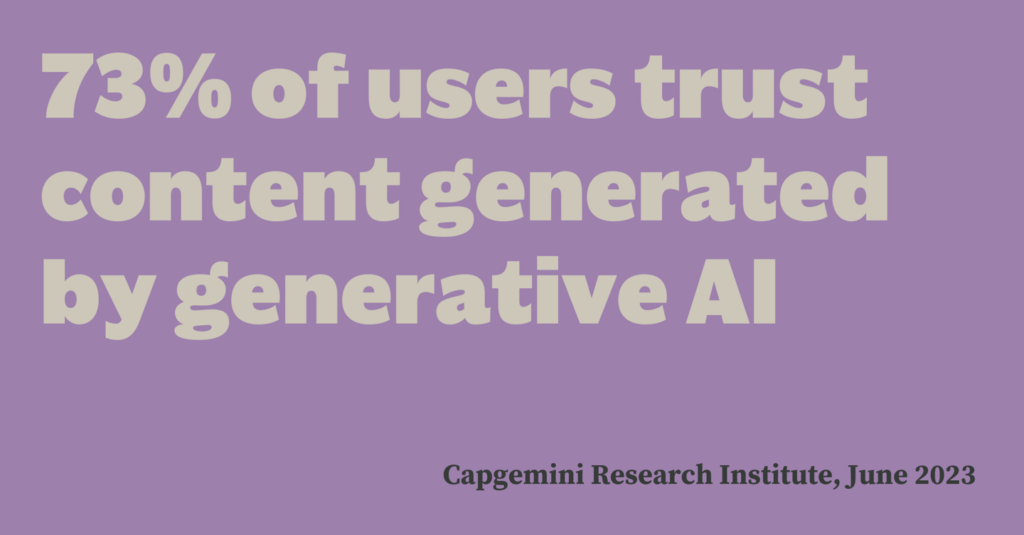
Notably, a concerning statistic has emerged, revealing that 73% of users trust content generated by generative AI. This really shows the importance of close supervision in AI-generated content, especially in the communication field, where reliability and truthfulness are paramount.
As for legislation and regulation, while it may be in development, progress will be slow and may not fully address the intricacies of AI usage. We believe that it’s time for the communications industry to take the lead in setting its own guidelines for AI usage.
However, despite all the disruption, there is a positive note. AI is already making a substantial positive impact in various domains, from improving cancer screening to addressing climate change, conserving wildlife, and fighting world hunger. The potential for AI to do good is vast and exciting.
How AI can enhance communication accessibility
Our role as communication professionals includes making our communication as effective as possible and ensuring it is accessible to everyone. Currently, fewer than 4% of the world’s top million websites are accessible to people with disabilities. AI can help accelerate progress in this regard by simplifying and enhancing communication:
- Copy simplification with AI editors – Tools like Hemmingway can simplify and improve readability, making communication more accessible.
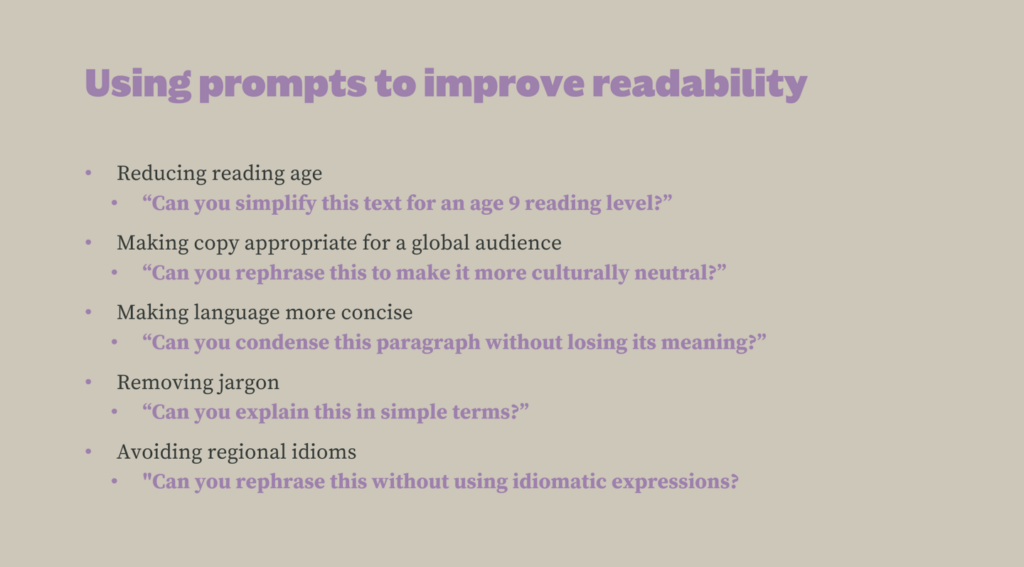
- AI prompts for readability – Using AI prompts to tailor text for different reading levels, cultures, and languages.
- Digital signing – New platforms in development, like Signapse, will be able to create sign language from text or audio, making communication accessible to people who use sign language.
- Translation – AI can help level up and speed up translation, providing accurate and natural translation, learning from feedback over time.
- Image descriptors – Tools like Verbit can create audio descriptions of images in real-time.
- Text to Speech / Speech to Text – Enhances accessibility for various communication modes.
- Multi-Lingual Chatbots – Assist in multilingual communication.
The importance of AI transparency
During the forum we addressed the significant issue of transparency in AI. We posed thought-provoking questions to the group about transparency and shared considerations for when, how, and whether to be transparent in our AI usage. Our conversations showed that transparency in AI isn’t a straightforward, black-and-white matter; rather, it exists on a spectrum with shades of grey. Determining when to be transparent about our use of AI can pose significant challenges.
Regulation has already driven the need for transparency in various digital domains, such as cookies on websites and advertisements in social media. Just as privacy regulations have mandated the disclosure of cookie usage, AI may could follow a similar path. Users may come to expect clear information about when AI is involved in content generation, and it may be time for communicators to rise to this challenge without the need for legislation.
AI voice cloning
Voice cloning tools use AI and deep learning algorithms to replicate and mimic human voices. These tools analyse the vocal characteristics, pitch, tone, and nuances of a person’s voice from a sample of audio recordings. Once trained, they can generate speech that closely resembles the original speaker’s voice, allowing for the creation of natural-sounding, synthetic voices.
AI voice cloning has numerous applications, from creating realistic voice assistants to generating voiceovers for content. However, it also raises ethical concerns about potential misuse and impersonation, highlighting the need for responsible use and regulation in this rapidly advancing field.
We investigated several voice cloning tools and shared our findings with the group’s attendees. If you’d like to find out more then please reach out.
Navigating AI together: overcoming bias and achieving inclusion
In our next session we will examine the issue of the biases embedded in AI and explore how we can mitigate this bias and harness AI tools to foster greater inclusion and authentic representation.
Let’s continue Navigating AI Together, ensuring responsible, ethical, and inclusive AI usage in our communication practices.

What is the role of communicators in attracting women to male-dominated industries?
By Sally Pritchett
CEO
When one gender clearly dominates a business or sector, it means a loss of valuable skills, perspectives, and ideas. So, what can communicators do to promote gender diversity?
At Something Big, we have lots of experience working within industries that are typically male-dominated, like logistics, engineering, construction, finance and tech. To start a dialogue and share insights across businesses and sectors we brought together HR, Diversity, and Internal Comms leaders for a meaningful discussion on how to attract women into traditionally male-dominated sectors and drive a better gender balance. In this article, we’ll share the insights gathered and the actionable takeaways you can use to enrich your DEI toolkit.
Are we bridging the gender gap?
There are many industries that are male or female-dominated. For example, within the construction industry, 15% of the workforce is female, with just 2% of on-site workers being female. In contrast, some industries are predominately female, with just 2.22% of nursery nurses and assistants being male. A quick glance at the statistics reveals a stark gender imbalance across various sectors.
But the big question is, are we making any progress in this area? When looking at early careers, internships, and apprenticeships, a report by the Young Women’s Trust showed that in key sectors such as engineering, men outnumber women 25 to one. This glaring inequality emphasises the need for change.
What can communicators do to attract women to male-dominated industries?
During our discussion, we identified multiple ways that communicators can drive change and address gender imbalance in the workplace.
During the recruitment process:
- Ensure that gender-biased language is removed from job ads. You can use AI tools or dedicated gendered language decoders to help you identify any subtle bias in job ads.
- Simplify technical jargon in job descriptions to better welcome new people to your industry.
- Listen to the experiences of women within your business to find out why they like working there and use that insight to understand what could attract new employees.
- Use diverse advertising channels to reach new audiences. Within our discussion group, both Mosques and school newsletters were identified as channels for reaching new audiences.
- Have diverse and inclusive imagery in your recruitment materials, while ensuring your photography is representative of your workplace and culture.
Within workplace culture:
- Recognise that the workplace can still be a challenging environment for women. 61% of Gen Z’s and 49% of Millennials believe they’ve been harassed in the workplace in the last 12 months, including physical advances, inappropriate emails, exclusion and gender-based undermining.
- Implement safe avenues for employees to speak up and seek help about any negative experiences.
- Develop a culture of allyship and consider training all team members on the 5Ds of active bystander intervention – Distract, Delegate, Document, Delay, and Direct.
- Consider the language that is used within your business. It’s common to hear things like ‘working mums’ and ‘women in business’, and often these are meant in a well-meaning way, but we never hear about ‘working dads’ or ‘men in business’.
- Properly fund, support and empower employee resource groups (ERGs) to ensure your employees have a voice. This will enable you to get to the crux of what’s working, and what’s not.
Employee communications:
- Avoid empty communications or empty promises by ensuring your communications align with your actions. Employees are quick to spot inconsistencies, and empty promises can lead to a loss of trust.
- Effective communication is not one-size-fits-all. Tailor your messages to reach employees at the right time with the right information. Avoid sending blanket messages that may make it difficult for employees to access the specific information they need.
Policies and processes:
- Scrutinize your policies and processes to identify any unnecessary barriers that hinder the hiring and retention of female talent. An example shared during our discussions was a company writing into the contract of an autistic worker that they did not need to answer the phone, making the role accessible without affecting performance.
- In the UK, men spend about 16 hours a week on unpaid tasks like taking care of children and cleaning, whereas women dedicate 26 hours a week to these responsibilities. Businesses could consider revising some policies to better support men and women in achieving a work-life balance. For example, in Norway fathers are entitled to 15 weeks of non-transferable parental leave, designed to foster a more equal split of childcare responsibilities. Whilst this might not be the regulations within your country, that doesn’t mean organisations can’t support changes like this.
Leading the charge in attracting women to male-dominated industries
In the journey toward creating more gender-diverse workplaces, it’s essential to acknowledge and support the organisations and individuals who are already pioneering change. Here are some organisations that may be relevant to your sector:
- Women in Logistics
- Women into Construction
- Women in Tech
- Women’s Engineering Society
- Women in Fire Services
- British Association for Women in Policing
- Lean In Circles – Women in Finance
As a final point within our discussion group, we underscored the advantages of cultivating a growth mindset and exchanged recommendations for three insightful books to help develop our thinking and understanding: “Lift as I Climb,” “Invisible Women,” and “Lean In.”
By adopting clear communication, shifting cultural norms, and embracing a diverse and inclusive workplace, businesses can create environments that support all employees. This not only fosters gender diversity but also contributes to a more inclusive, caring, and productive work environment for everyone.
If you’re looking for a partner agency to help make your workplace fairer, healthier and happier, then we’d love to hear from you.

8 B Corp agencies you'll love working with
By Sally Pritchett
CEO
If you’re looking to partner with great people, experts in their field, who care about being responsible and looking after our planet, then we have the B Corp agencies for you...
Since we certified as a B Corp over a year ago, the movement of purpose led businesses committed to the highest levels of ethical standards has grown exponentially.
As a business who believes in helping to drive system change, this is really exciting. As a business looking to improve the sustainable credentials, ethical standards or even honesty and transparency of their supply chain this is even more exciting.
There are now a plethora of great agencies in the B Corp movement to choose from so we’ve gathered a selection of our favourites, and are delighted to introduce you to them and their strengths.
Across the Pond
Go to them for: If you’ve got a complex tech story you need to make more human
When it comes to experts in their field, you don’t get much better than Across the Pond, working with the tech worlds finest from Google to Meta they are not just committed to but laser focused on helping tech brands create a better world.
You can check out some of their work here and give and find out more about what they do here.
Footprint
Go to them for: Expert help with your digital marketing
Footprint are the friendliest digital team we’ve ever met and seamlessly educate their clients on the mysteries of digital marketing from algorithms and impressions to the dark art of SEO whilst also driving their performance forward.
Check out some of their success stories here and don’t hesitate to ask them for an introductory call here.
Jago
Go to them for: Expert personal branding
Jago are experts in empowering people to master their reputations through building impactful personal brands. Their team of EQ experts, anthropologists, film makers and storytellers work together with their clients to develop a clear identity, game plan and necessary tools to find and cultivate audiences.
Check out what their customers say about them here and to find out more give them a shout here.
Kyan
Go to them for: Developing platforms and apps
Kyan and a technology agency with a mountain of experience behind them, they solve problems and unlock innovation using their creative and technical expertise. They guide their clients through tricky challenges from immersive, hands on workshops and journey mapping to solution framing and brand visions so you’re in safe hands end-to-end.
You can check out some of the problems they’ve solved here and get in touch with them here.
Magnus Consulting
Got to them for: B2B marketing strategy consultancy
Magnus are passionate about the power of marketing to drive growth and we’d describe them as heavy weight B2B growth specialists, led by the tenacious and uber experienced strategist, Teresa Allen. Described as ‘strategic partners and very much part of our team’ by clients at Korn Ferry who say they ‘fundamentally get our business and vision and work relentlessly to help us achieve our goals’.
You can check out their work here and get in touch with them here.
Wildfire PR
Go to them for: If you’re tech brand looking to out talk your competitors
When it comes to PR the point is to stand out, Wildfire PR are all about thinking bold, challenging preconceptions and outsmarting the competition. It’s not about being flashy or hype, it’s about being confident in pushing boundaries and these guys are well versed in pushing boundaries in the tech world for their clients from servicenow to unbuntu and NTT data.
You can see some of their work here and if you like what you see, give them a shout here.
Yoyo Design
Go to them for: Switching up your digital experience
We all know there are digital agencies and then there are digital agencies, Yoyo don’t just create websites they create experiences that impact your business. Engaging, immersive and intuitive blended together to bring beautiful, high quality, digital experiences that work.
Check out their work here and give them a shout here.
Something Big
Come to us for: Creative communications that create a meaningful difference
We’re creative communications experts who specialise in workforce culture and ESG communications. We’re on a mission to make the workplace fairer, healthier and happier. Using insight and originality, we’re passionate about creating communications programmes that result in long-lasting impact for our clients and our world.
Check out our work here and reach out to us here.
Choosing B Corp agencies
If you’ve found a great B Corp business who you love working with, why not give them a shout out, remember, let’s all help ethical, great and sustainable businesses thrive. Our planet and future generations will thank us for it.

Why businesses should do more to support employees with cancer
By Sally Pritchett
CEO
It’s time for businesses to step up, show compassion, and enable a culture of understanding and support employees with cancer.
In today’s world, businesses exist for more than profit alone. They can be integral parts of our communities and influence lives way beyond the boardroom.
However, one crucial aspect that often gets overlooked is the support for employees facing significant health challenges – especially those working with cancer. We believe businesses can do more, and should do more. It’s time for businesses to step up, show compassion, and enable a culture of understanding and support.
Working with cancer: the facts
- There were 18.1 million new cases of cancer worldwide in 2020
- 1 in 2 people will be diagnosed with cancer at some point in their lifetime
- Half of those diagnosed with cancer are of working age
- 50% of employees consider it difficult (or are afraid) to reveal their cancer diagnosis to employers
- 92% of patients agree that the support they receive positively impacts their health
- Rates of depression and anxiety are higher in the cancer population than in the general population
- The World Health Organization states that 30–50% of cancers are currently preventable by avoiding key risk factors
The business case for better employee support
It goes without saying that supporting your employees through significant life events, such as cancer, is the right thing to do. But there are some other more business-specific reasons too.
Improved employee culture
By encouraging a culture of understanding and support, employees will feel safer, more valued and genuinely cared for by their employer.
Reduced absenteeism and presenteeism
Businesses that help employees manage their health effectively can reduce the likelihood of extended absences or reduced productivity due to ill health.
Retain talent
Employees are more likely to stay with businesses that are able to demonstrate a real commitment to their wellbeing.
Better employee engagement
By ensuring employees feel supported during challenging times, they are likely to be more engaged and motivated in their work.
An inclusive workplace environment
By supporting employees with cancer, it sends the message that employees of all backgrounds and health statuses are valued and respected.
Industry benchmark
Businesses that prioritise employee well-being are setting a benchmark for industry standards, encouraging other companies to follow suit, and ultimately creating better corporate environments for everyone.
What can your business do?
In the corporate world, empathy has often taken a backseat to productivity. But in recent times, more businesses are prioritising the wellbeing of their workforce and stepping up to support employees beyond their paycheck.
Here are a few things that can be offered to help employees feel supported through their diagnosis and treatment.
Provide flexible work arrangements
It’s become clear in recent years that accessible flexible working can be a game-changer to help ease the burden on employees. By allowing employees undergoing treatment to adjust their work patterns or work remotely, employers can provide much needed security and flexibility to juggle work and health more easily.
Ensure you have a cancer policy
Helping employees understand what support they can expect and how their pay will be impacted will reassure them during an emotional time. You could also take the #WorkingWithCancer pledge as an external commitment of your support to employees with cancer.
Support employees through Employee Assistance Programmes
Undergoing cancer treatment is a unique experience for each and every person. By offering a range of programmes, such as counselling, access to resource networks and talking services, you can help employees feel cared for on their own journey.
Transparent communication and employee education
Open and honest communication is the foundation of a supportive workplace culture. Clear signposting to policy documents and transparent information about available benefits, resources and support, can help employees navigate an incredibly emotional time. Employee education and engagement can further raise awareness and help create a culture of empathy amongst colleagues.
Build a community of care
Beyond policies and programmes, it’s vital for businesses to foster a community of care. Often employee communities in large organisations can offer the opportunity to connect with others undergoing similar treatments or diagnoses.
This can be achieved through maintaining an open dialogue about cancer, organising support groups, or arranging group awareness activities. Demonstrating solidarity will help employees feel like they still belong whilst undergoing treatment.
Don’t forget mental health
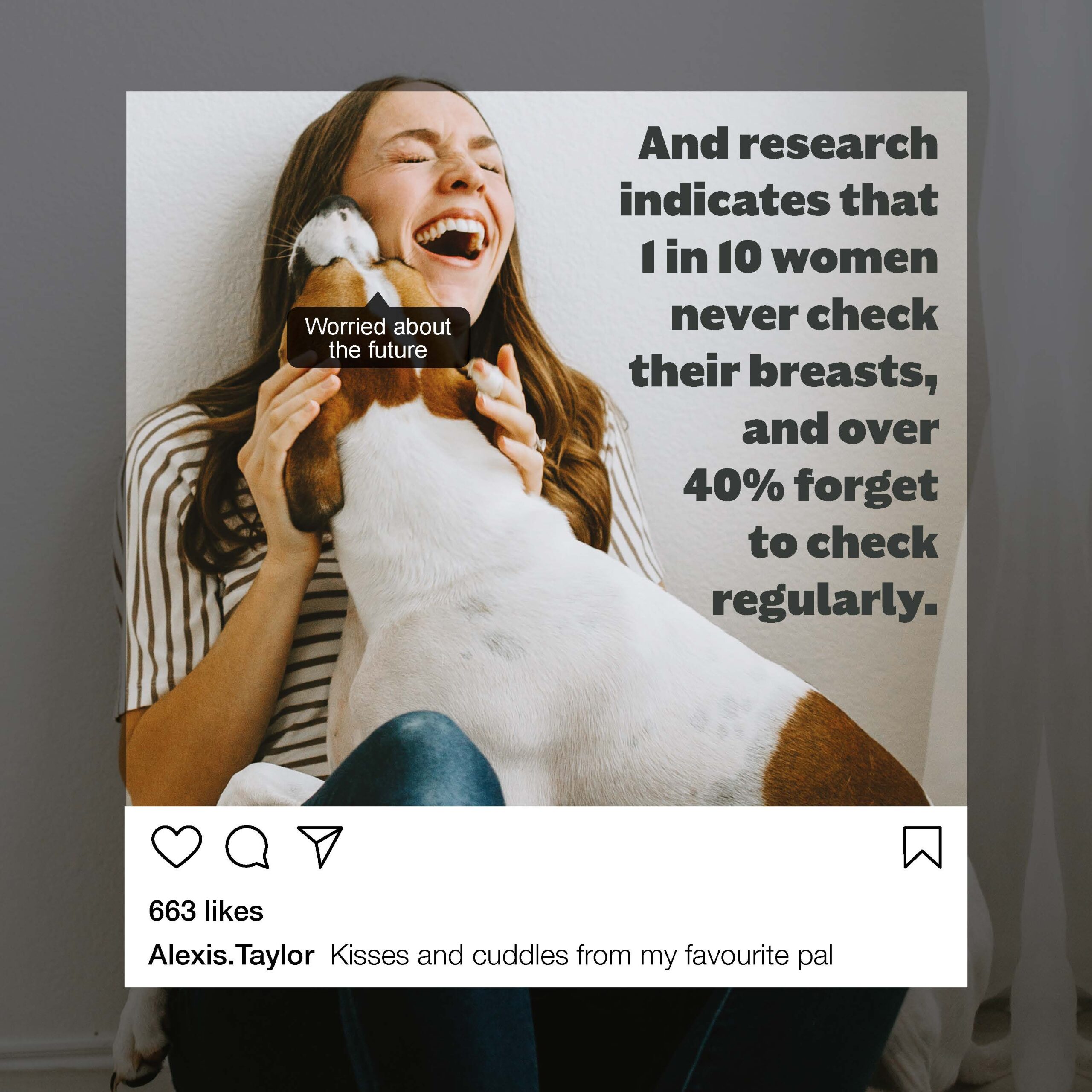
Cancer patients can often feel a sense of abandonment and grief once access to their hospital team and treatment has ended. By focusing on mental health, you can help employees manage ongoing physical and psychological challenges on return to the workplace.
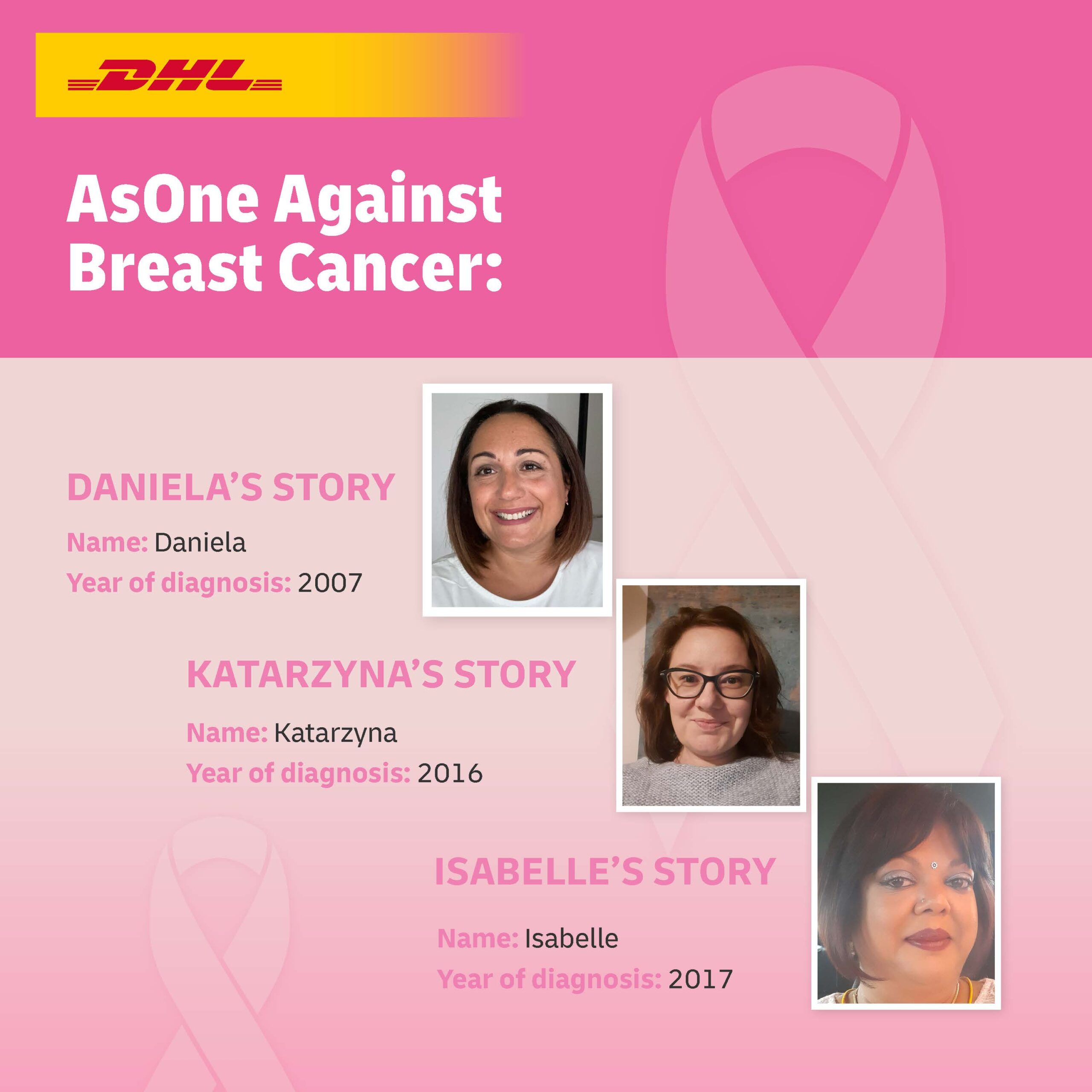
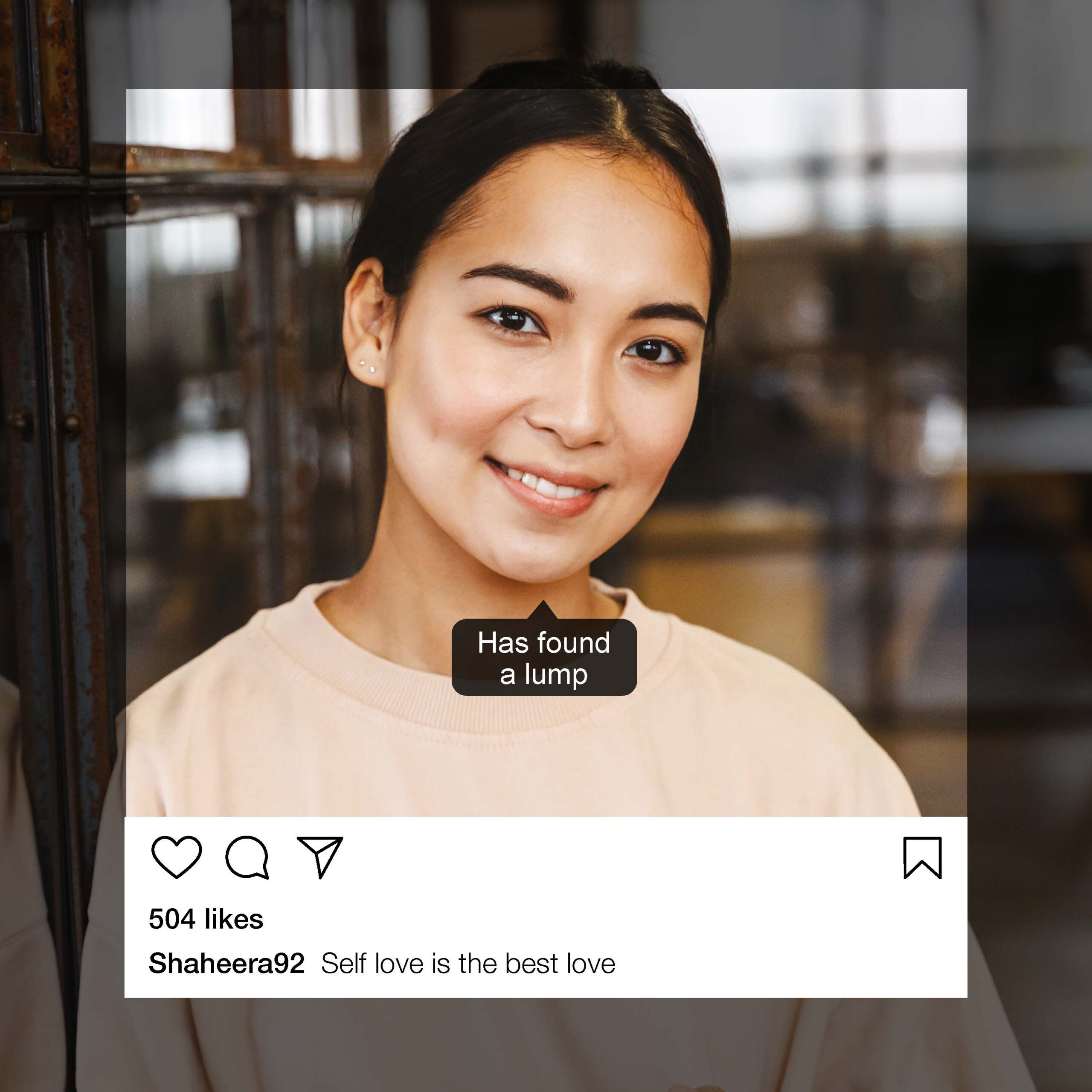
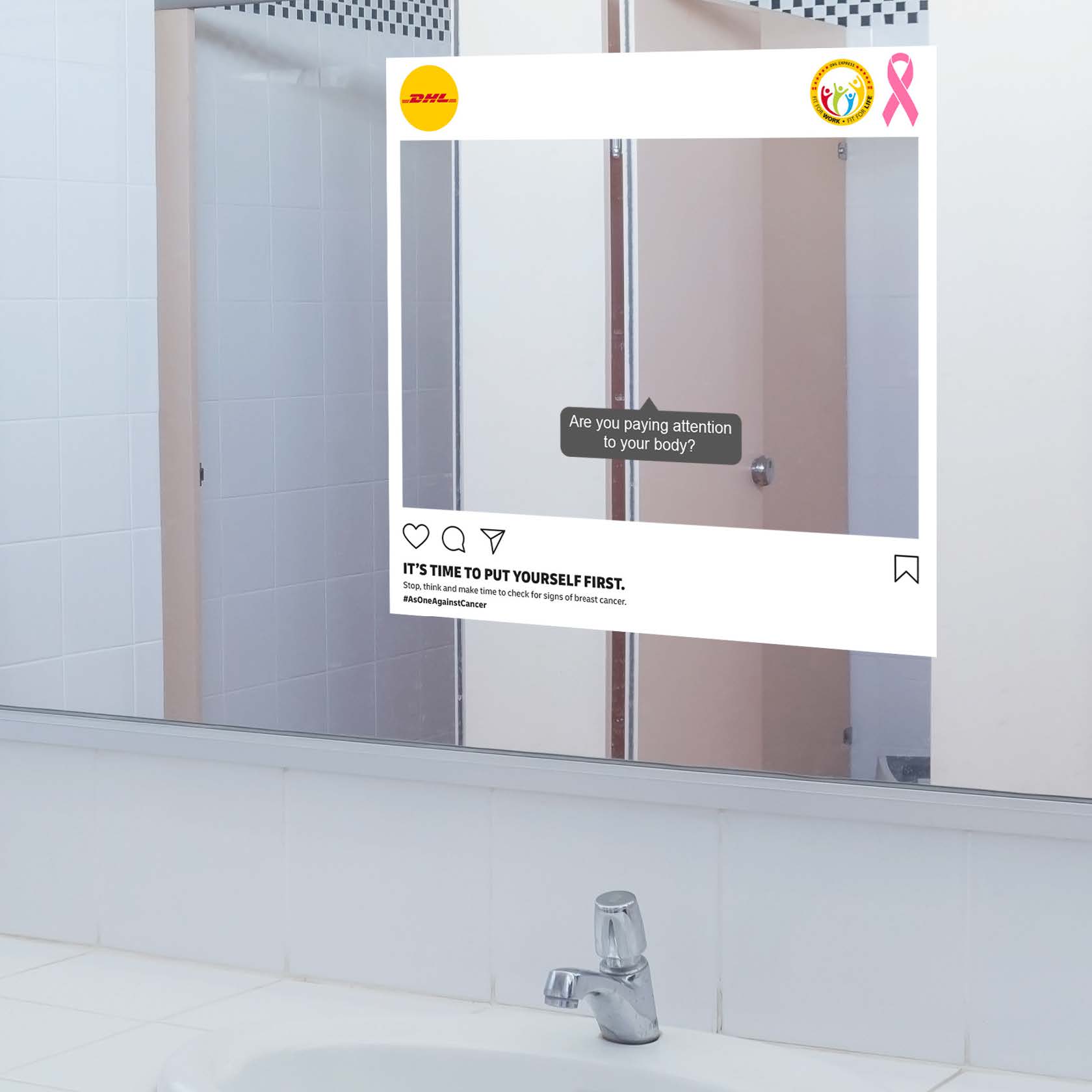
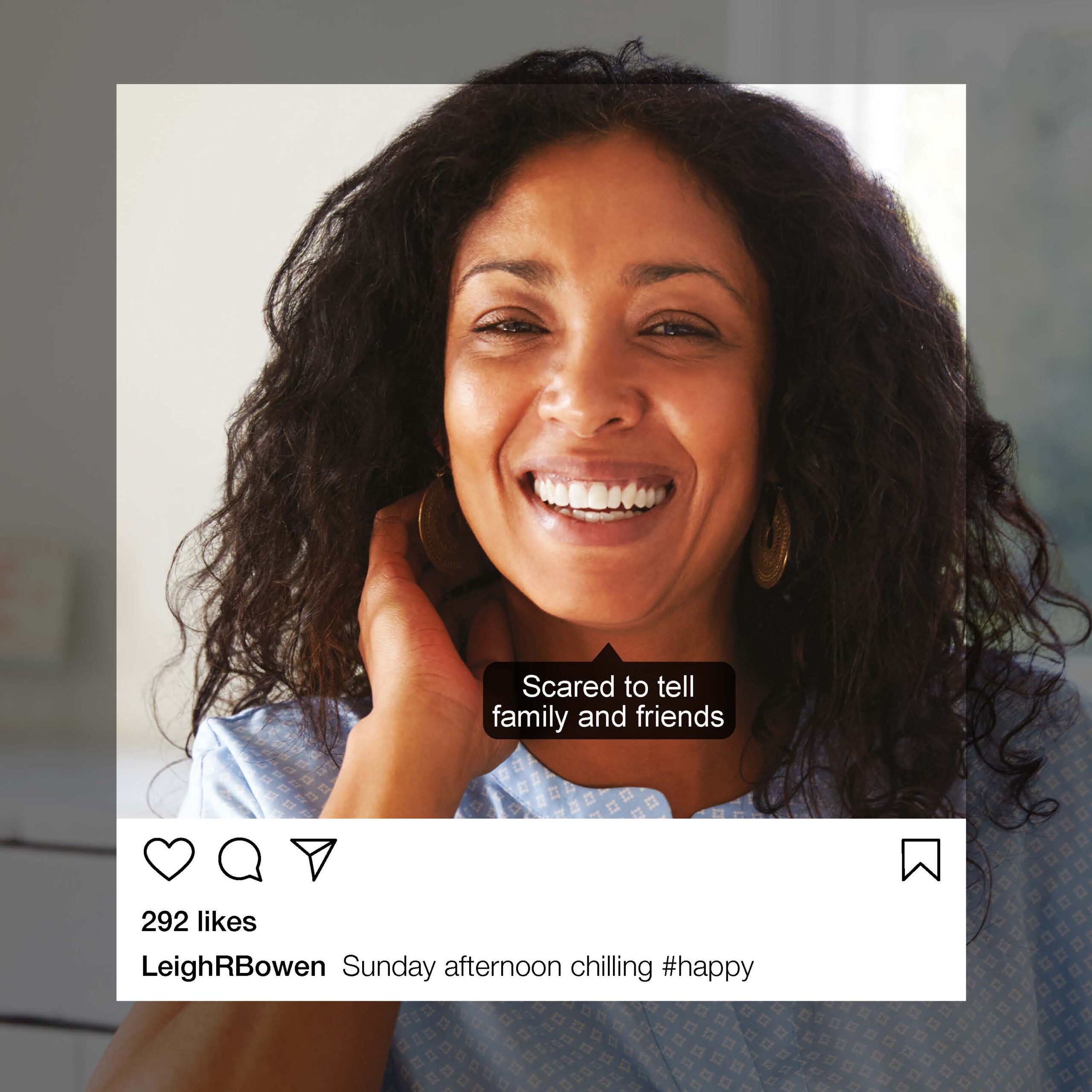
What role can communications play?
Communication teams have a key role in helping create a supportive and empathetic work environment for employees facing long-term illness. Here are some ways that comms teams can meaningfully support employees living and working with cancer.
Open and accessible resources
- Establish and communicate clear channels for employees to talk about their health and any related concerns. This could include regular check-ins or confidential hotlines.
- Develop a comprehensive and accessible guide that provides information about available benefits, policies and other relevant resources. This could also cover employee rights regarding privacy and disclosure, as well as advice for communicating with supervisors and colleagues.
Managers’ toolkits
- Ensure that managers are aware of options for flexible working and are equipped to help employees benefit from them.
- Equip managers and supervisors with resources and tools to support employees working with cancer. This could include showing what open and empathetic conversations look and sound like.
Wellbeing programmes and employee engagement
- Provide health and wellbeing education, encouraging employees to be aware of the symptoms of cancer, health risks and advice around prevention.
- Host workshops or “lunch and learn” forums to educate employees about cancer, its treatments and how to support colleagues who have been diagnosed.
- Organise wellness activities, support groups, or workshops that focus on mental health and wellbeing.
- Maintain an open dialogue about cancer all year round (beyond awareness days), to demonstrate a genuine commitment to employee wellness.
- Provide communications and training to educate colleagues and managers on how to communicate and interact with employees who have cancer. This includes understanding boundaries, respecting privacy, and how to offer support.
Enable employee advocacy
- Employee Resource Groups (ERGs) can be valuable forums to help drive awareness and educate the workforce. Work closely with ERGs to understand what assets they require and what they need to feel supported.
- Seek feedback from employees who have faced cancer. Ask them about their experiences and any suggestions for improvement. You can then use this information to adapt and refine communications.
It’s time to step up and support employees with cancer
Employers play a fundamental role in their employees’ lives, particularly those facing cancer. By being empathetic, offering flexibility and creating a culture of care and support, businesses can create a workplace culture that not only supports employees facing cancer but also demonstrates commitment to employee wellbeing. This, in turn, contributes to a more inclusive, caring, and productive work environment for all employees.
From awareness to prevention, to employee allyship and support, we help businesses educate their workforce and encourage employees to take care of their whole selves – both inside and outside of the workplace.
Join the conversation
Join us for an enlightening discussion as we ‘Tune In’ to the experiences of employees living with cancer.

It’s time to move employee mental health and wellbeing up the agenda for 2024
By Sally Pritchett
CEO
As we approach 2024, with strategy planning in full swing, there's no excuse for organizations to neglect the importance of employee mental health and wellbeing.
The facts are clear. According to Headspace’s Fifth Annual Workforce Attitudes Towards Mental Health Report, 95% of CEOs agree that their employees perform better at work when their mental health is strong and there is good recognition of the importance of mental health in the workplace.
The Wellbeing Movement backs that up with research demonstrating that a 1% increase in employee happiness leads to a 12% increase in productivity and that workplaces with better wellbeing are 14% more likely to attract prospective talent. Additionally, poor mental health is estimated to have cost UK employers up to £56bn in 2020-2021 with burned-out employees six times more likely to want to leave their current jobs.
Sadly, despite the impact of poor wellbeing and the commercial case to invest in improving it being clear, we still have a long way to go. Headspace’s Workforce Attitude Report found instability, productivity pressure, and rising expectations for all are driving a sense of dread in the workplace, with 87% of employees experiencing it at least once a month and 49% experiencing it at least once a week.
According to Deloitte, 60% of employees, 64% of managers and 75% of C-suite are seriously considering quitting for a job that would better support their wellbeing. They found that a significant percentage of employees say their job negatively affects their physical (33%), mental (40%), and social (21%) wellbeing. Only around one out of three employees feel their job has a positive impact on their physical (33%), mental (32%), and social (31%) wellbeing.
Driving a healthy culture that supports employee mental health and wellbeing
This World Mental Health Day we’re calling on leaders to plan for a better 2024. The great news is there are some clear areas to focus on and it’s not all expensive on-site yoga suites.
Here are some of the best ways to drive a healthy culture:
Make genuine strides in diversity, equity, inclusion and belonging
There is mounting evidence on the intersectionality of wellbeing with DEIB with 54% of employees stating that their employer’s DEIB policy has a positive impact on their mental health.
Invest in culture
Working on driving culture can feel overwhelming, but working with someone like Great Place to Work can really help. The user-friendly platform provides you with an off-the-shelf proven and trusted employee opinion survey, benchmarking your results against other companies of a similar size. Expert analysts also review your results with you, pointing you in the direction of opportunities for the greatest improvement.
Question flexibility
Of course, the great debate on the level of working from home versus back to the office continues, but evidence shows that what employees really want is true flexibility including when they work as well as where. Feeling empowered and in control is shown to have huge health benefits. Consider opening new trials in 2024 to demonstrate that the organisation is open to more collaboration and look for a win: win for both employee wellbeing and organisational effectiveness.
Empower employee voice
Outside of employee opinion surveys, employees want and need more opportunities to be heard. This could be through ERGs (employee resource groups), whistleblowing channels, or the introduction of a new culture of empowering and encouraging employees to call out poor behaviour.
Ramp up purpose and volunteering
A recent study from the National Council for Voluntary Organisations found that 75% of volunteers reported that volunteering improves their mental health and overall wellbeing. Encourage employees to engage in purpose-driven initiatives and volunteering activities to foster a sense of fulfilment and connection.
Provide mentoring support
Mentorship can positively impact mental wellbeing by fostering a sense of belonging. Establish mentoring programs to provide employees with guidance, support, and opportunities for personal and professional growth.
Support managers and HR departments
Managers and HR departments play a pivotal role in supporting employee mental health and wellbeing. Provide them with training and resources to identify signs of stress and burn-out.
Keeping employee health and wellbeing high on the agenda
As we approach 2024, the path to fostering a mentally healthy and flourishing workforce has never been clearer. If you are committed to prioritising your employees’ wellbeing then we share a common mission: to create workplaces that are fairer, healthier, and happier.
Get our Employee Wellbeing Calendar, loaded with crucial awareness dates here.
From strategic employee engagement programmes to cultivating psychologically safe workplace cultures where positive mental health and wellbeing can flourish, we are here to provide the support you need.